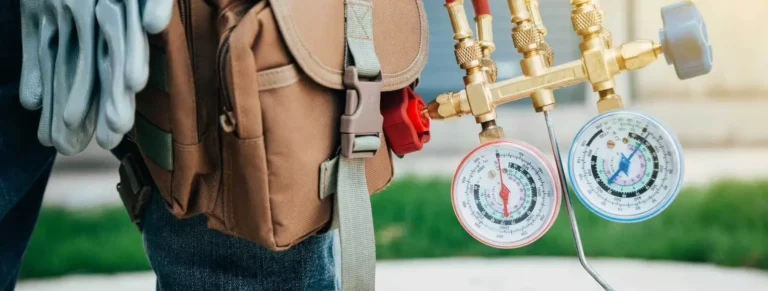
Carbon monoxide production rises when the air-to-fuel ratio is wrong. We adjust that ratio during furnace maintenance so the unit burns clean. A combustion analyzer shows the oxygen and CO levels in the flue. We make changes until the numbers fall inside the manufacturer range. This step is standard in every furnace tune-up we perform in Lancaster, OH.
Flame Sensor Cleaning and Ignition Sequence Verification
The flame sensor sits in the burner flame and proves that ignition occurred. Over time a film of oxidation coats the rod. That film drops the microamp signal the control board expects. We pull the sensor, wipe it with a fine abrasive pad, and reinstall it. Then we start the furnace and read the flame current with a meter. A healthy signal sits between four and seven microamps. Anything lower and the board will shut the gas valve after a few seconds. We also watch the full ignition sequence. The inducer motor must start first. The pressure switch must close. The igniter must glow or spark. Gas must flow and light within the allowed time. If any step fails we replace the weak part on the spot.
Hot-surface igniters crack from thermal shock. We measure their resistance while they are cool. The ohm reading must match the value printed on the igniter or in the service manual. A reading that is too high or infinite means the element is broken. We carry common igniter styles so we can finish the furnace service the same visit. Pilot assemblies on older units get the same attention. We clean the thermocouple, check the millivolt output, and confirm the pilot flame wraps the sensor correctly. These ignition checks stop the short-cycling that wastes fuel and leaves rooms cold.
Heat Exchanger Surface Examination
The heat exchanger is the metal barrier between combustion gases and the air you breathe. Repeated heating and cooling cause the metal to flex. Hairline cracks appear first at the weld seams and the high-stress bends. We shine a high-intensity light through every passage. We also insert a small inspection camera to see the far side of each cell. Any crack, hole, or heavy rust scale is noted. A cracked exchanger cannot stay in service. We explain the finding and give you the options for repair or replacement. This inspection is the most important safety part of furnace maintenance.
High-efficiency furnaces add a second, condensing heat exchanger. That secondary coil sits in a plastic or stainless housing and collects acidic water. We check the drain trap and the condensate line for blockage. Standing water inside the housing rusts the coil from the outside. We flush the trap and confirm the float switch opens if the drain backs up. These extra steps keep a 90-plus AFUE unit running at its rated efficiency through a Lancaster winter.
Burner Ports, Manifold Pressure, and Flame Shape
Burner ports clog with rust flakes and household dust. Restricted ports make the flame lift off the burner or burn yellow. Yellow tips mean unburned fuel and high carbon monoxide. We remove the burner assembly, brush every port, and blow the manifold clean with compressed air. Then we reinstall the burners so each one sits level and aligned with its crossover. We attach a manometer to the outlet pressure tap on the gas valve. The reading must equal the value on the furnace rating plate, usually 3.5 inches water column for natural gas. If the pressure is high or low we adjust the regulator screw until it is correct.
After the burners are clean and the pressure is set we watch the flame for a full minute. The flame must be mostly blue with only small yellow tips. It must stay attached to the burner and not roar or float. We also check that the flame does not roll out of the combustion chamber when the blower starts. Rollout means the heat exchanger or the flue is restricted. Hubbs Heating & Air corrects that restriction before we leave. These burner and pressure steps restore the air-fuel mix the manufacturer designed.
- Port cleaning: We use a round wire brush that matches the port diameter so we do not enlarge the opening
- Pressure test: We leave the manometer connected while the furnace runs so we see any pressure drop under load
- Flame observation: We look from both sides of the burner box to confirm even ignition across all ports
Blower Wheel, Motor Amps, and Temperature Rise
The blower wheel collects a thick layer of dust on the fins. That layer unbalances the wheel and reduces airflow. Low airflow makes the heat exchanger overheat and trip the limit switch. We slide the blower assembly out, vacuum the wheel, and wipe the housing. We then measure the motor amp draw and compare it to the nameplate full-load amps. A reading more than ten percent above the rating means the motor is working too hard, usually because of a failing capacitor or dry bearings. We replace the capacitor if its microfarad value is more than six percent off the stamped rating.
After the blower is clean we run the furnace and measure the temperature rise across the heat exchanger. We place one probe in the return and one in the supply plenum. The difference must fall inside the range printed on the rating plate, commonly 35 to 65 degrees Fahrenheit. A rise that is too high means not enough air is moving. We check the filter, the duct static pressure, and the blower speed tap. A rise that is too low means the gas input is low or the blower is too fast. We correct the cause so the furnace neither overheats nor short-cycles. This airflow work is a regular part of the furnace tune-up we schedule for both homes and light-commercial spaces.
Flue Draft, Vent Pipe Condition, and Combustion Numbers
The inducer motor and the vent pipe must pull combustion gases outside. We measure draft at the inducer outlet with a manometer. The reading must meet the minimum listed in the installation instructions. We also inspect every joint of the vent pipe for rust, sag, or missing screws. A leaking joint lets carbon monoxide enter the living space. On high-efficiency units we check the PVC vent for proper slope so condensate drains back to the furnace and not into the pipe. We confirm the termination is the correct distance from windows and fresh-air intakes.
We finish with a full combustion analysis. The analyzer probe goes into the flue. We record oxygen, carbon monoxide, stack temperature, and calculated efficiency. Oxygen should be between six and nine percent for most atmospheric furnaces. Carbon monoxide in the flue should stay under 100 parts per million after the unit has run for ten minutes. If the numbers are outside the limits we repeat the burner and pressure adjustments until they are correct. These final readings prove the furnace tune-up restored safe and efficient operation. We provide comprehensive HVAC solutions, from installation and repair to maintenance and energy-efficient upgrades, ensuring your comfort and peace of mind. Our expert technicians are available 24/7 to deliver fast, reliable service, including same-day responses and free estimates. Whether it is heating, cooling, or ventilation, we guarantee quality workmanship and customer satisfaction. Choose us for efficient, hassle-free service that keeps your home or business running smoothly. Hubbs Heating & Air is a hometown company, family-owned and women-owned, and we provide same day service when you call for furnace maintenance before the first hard freeze.
- Draft reading: We take the measurement with the burner firing and the blower running so we see real operating conditions
- Vent inspection: We look inside the first three feet of pipe with a light because that section rusts first
- Analyzer printout: We leave you a copy of the combustion numbers so you have a record of the furnace service