
How the Age of Your Home Affects Your HVAC System and What You Can Do to Keep It Running Efficiently
The age of a house shapes almost everything about how its heating and cooling equipment performs. A home built in the 1950s does not move air, hold heat, or distribute cooling the same way a home built in the last decade does. Ductwork, insulation levels, window quality, and even the original design of the furnace location all change over the decades. When these factors work against a modern HVAC system, you often see higher energy bills, uneven room temperatures, and equipment that wears out faster than it should. Understanding this relationship is the first step toward making smart decisions about repair, maintenance, and upgrades.
At Hubbs Heating & Air, we work on homes of every era across Lancaster, Logan, Pickerington, Pleasantville, Hide-A-Way Hills, and Bremen, OH. That range gives us a close view of how construction age influences comfort and efficiency. On this page, we walk through the common questions homeowners ask about older and newer homes, and we give clear guidance you can act on to keep your system running at its best.
Why Does the Age of My Home Matter for HVAC Performance?
Older homes were often built before modern energy codes existed. Many have little or no wall insulation, single-pane windows, and gaps around doors and framing that let conditioned air escape. When your furnace or air conditioner has to fight constant air leakage, it runs longer cycles and uses more fuel to reach the temperature you set. The equipment may be sized correctly on paper, but the building envelope around it makes the job far harder than it should be.
Newer homes present a different set of challenges. Tight construction holds heat and cool air well, but it can trap humidity and reduce fresh air exchange if ventilation is not designed properly. A system that is oversized for a well-sealed house will short cycle, turning on and off repeatedly without removing enough moisture or distributing air evenly. In both cases, the mismatch between the home and the equipment drives up energy use and shortens the life of the components.
Common Issues We See in Homes of Different Ages
When our technicians arrive for a service call, the condition of the ductwork is one of the first things we inspect. In older homes, duct runs were frequently added over time without a unified plan. We find undersized returns, disconnected sections in crawl spaces, and metal joints that leak air into unconditioned areas. These problems force the blower motor to work harder and leave certain rooms cold in winter or warm in summer.
Age also affects the equipment itself. A furnace that is twenty years old may still light and produce heat, but its efficiency rating is far below what current models deliver. The same applies to air conditioners that use older refrigerants and single-stage compressors. The following points describe issues that are tied directly to how long a home and its systems have been in service.
- Leaky ductwork: Older duct systems lose a significant share of heated or cooled air before it reaches the living space.
- Undersized electrical service: Homes built decades ago may need panel upgrades to support a modern high-efficiency system.
- Poor insulation and air sealing: Gaps in the building envelope make even a new system struggle to keep up.
- Aging equipment: Furnaces and air conditioners past their expected lifespan lose efficiency and break down more often.
- Improper sizing: Both oversized and undersized systems cause comfort and efficiency problems that worsen with age.
Technical Steps to Restore and Maintain Efficiency
Our methodology begins with measurement rather than assumption. We perform a load calculation that accounts for square footage, insulation values, window area, and local climate conditions. This tells us the true heating and cooling demand of your home today, which may differ from what it was when the house was built. From there we evaluate whether your current equipment is matched to that demand, and we identify the ductwork and envelope improvements that will help any system run efficiently.
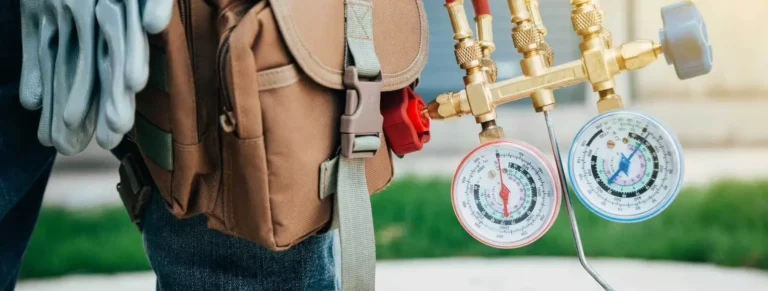
For homes that keep their existing equipment, we focus on sealing and balancing. We seal duct joints, add or repair insulation on runs that pass through attics and crawl spaces, and adjust dampers to even out airflow between rooms. We also clean coils, replace worn blower components, and verify refrigerant charge and gas pressure to factory specifications. These adjustments often recover efficiency that was lost gradually over years of operation.
Guidance for Keeping Your System Running Well
The single most effective habit is regular professional maintenance. A system that is inspected and tuned each season holds its efficiency longer and gives early warning of parts that are starting to fail. We recommend changing filters on schedule, keeping outdoor units clear of debris, and watching for signs such as rising energy bills, longer run times, or uneven temperatures between rooms. These symptoms often point to a problem that is easier and less costly to fix early.
Hubbs Heating & Air provides comprehensive HVAC solutions, from installation and repair to maintenance and energy-efficient upgrades, so you have one trusted partner no matter the age of your home. Our expert technicians are available 24/7 to deliver fast, reliable service, including same-day responses and free estimates. As a hometown company that is family-owned and women-owned, we take pride in quality workmanship and customer satisfaction. Whether your home was built last year or generations ago, we help you keep heating, cooling, and ventilation running smoothly and efficiently for years to come.