A flame sensor coated with only a few microns of oxide will fail to detect combustion. The furnace control board then shuts the gas valve after a few seconds. You get no heat. This single part is one of many components that a furnace tune-up addresses before the first cold night in Greenfield, OH. Dust, oxidation, and loose electrical connections build up quietly through every heating cycle. A professional furnace tune-up finds these problems while they are still small.
Most gas furnaces in this area run between 3,000 and 5,000 cycles from October through March. Each cycle produces a small amount of soot and moisture. Over months, that residue changes how the burners mix fuel and air. The flame becomes yellow instead of blue. Efficiency drops. The heat exchanger works harder. Carbon monoxide risk increases if the exchanger develops a crack. Furnace maintenance stops this progression before it reaches a lockout or a safety hazard.
Wear That Accumulates During a Heating Season
The blower motor draws indoor air across the heat exchanger. That air carries pet hair, cooking grease, and drywall dust. The debris sticks to the blower wheel. The wheel becomes unbalanced. The motor amperage rises. Bearings wear faster. You hear a rumble that was not there last year. Without furnace service, the motor can fail in the middle of January when replacement parts are hardest to schedule.
The inducer motor that starts each cycle also collects lint. Its pressure switch can stick. The furnace then locks out on a safety code. Many homeowners think the unit is broken. A simple cleaning during a furnace tune-up restores normal operation. In Greenfield, temperature swings from 50 degrees one day to 15 the next put extra stress on these parts. Regular furnace maintenance keeps the sequence of operation reliable through those swings.
Gas pressure at the manifold must stay within a narrow range set by the manufacturer. A few tenths of an inch of water column off specification changes the flame characteristics. Too much gas and you get sooting on the heat exchanger. Too little and the furnace short-cycles and never reaches the set point. We measure this pressure with a manometer during every furnace tune-up. The reading tells us if the regulator or the incoming line needs attention before the next cold snap.
Electrical connections loosen from vibration over thousands of cycles. A high-resistance joint at the transformer or the gas valve creates heat. That heat can melt a wire nut or damage a control board. Visual inspection and a tug test catch these issues. We also check the igniter resistance or the hot-surface igniter glow time. These are the details that separate a complete furnace tune-up from a quick filter change. Homes with older wiring and businesses that run longer daily cycles both benefit from this level of attention.
- Oxidized flame sensor – A thin coating stops flame detection and causes repeated lockouts.
- Dirty blower wheel – Reduced airflow raises static pressure and motor load beyond design limits.
- Loose gas connections – Vibration can create small leaks that a soap test will find before they grow.
- Cracked heat exchanger – Thermal stress over years can open a path for flue gas into the living space.
Every Check We Complete on a Furnace Tune-Up
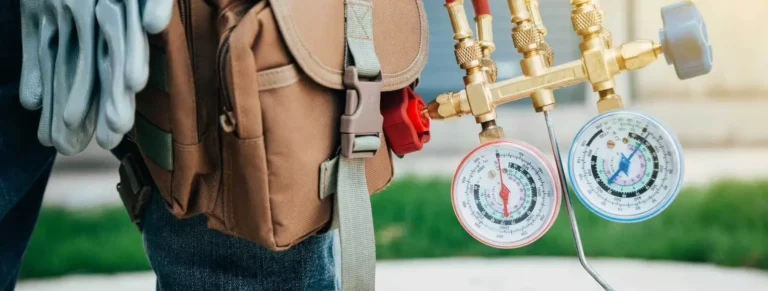
When you schedule furnace service with Hubbs Heating & Air, we follow a consistent sequence. We start with the thermostat and work through the entire combustion and air-handling path. This method finds problems that a casual look would miss. Our technicians carry combustion analyzers, manometers, and multimeters so every measurement is recorded and compared to the data plate on your unit.
We are a hometown company that is family-owned and women-owned. That background means we treat every Greenfield home as if it were our own. Same-day service is available when your furnace needs attention before a cold front arrives. Our expert technicians are available 24/7 to deliver fast, reliable service, including same-day responses and free estimates. You know the scope of work before we begin.
The combustion analysis measures oxygen, carbon monoxide, and stack temperature. From those numbers we calculate combustion efficiency. A reading outside the manufacturer range means we adjust the gas valve or clean the burners until the flame is stable and the exhaust is safe. We never leave a furnace that produces elevated carbon monoxide. This step is central to furnace maintenance that protects your household through the long Ohio winter.
- Safety lockout and power isolation – We shut off gas and electricity before any internal work begins.
- Heat exchanger inspection – We use a light and mirror or a camera to look for cracks and rust along every surface.
- Burner and flame sensor cleaning – We remove oxidation so ignition stays reliable on the first try.
- Blower assembly service – We clean the wheel, check capacitor microfarads, and measure amp draw against the nameplate.
- Combustion and draft test – We confirm the flue pulls correctly and exhaust stays within safe limits.
- Thermostat and control verification – We confirm the call for heat produces the correct sequence from start to finish.
After the mechanical work we restore power and run a complete heating cycle. We watch the flame, listen for unusual sounds, and measure supply-air temperature rise. The temperature rise must fall inside the range printed on the furnace data plate. Too high and the heat exchanger overheats. Too low and you waste fuel on every cycle. This verification is part of every furnace tune-up we perform in Greenfield and the surrounding townships.
We also replace or inspect the air filter and check the condensate drain on high-efficiency units. A clogged drain can shut down a condensing furnace within minutes. In Greenfield homes with finished basements, that overflow can damage flooring and drywall. Furnace service that includes the drain line and the trap prevents that surprise. High-efficiency equipment needs this extra attention because it produces more liquid than older atmospheric models.
Results You Can Measure After Furnace Service
A furnace that receives annual furnace maintenance uses less fuel. The difference appears on the gas bill within the first month of cold weather. Clean burners and a free-spinning blower move more heat into the living space. You feel warmer at a lower thermostat setting. That is the practical result of a proper furnace tune-up. Older homes with leaky ductwork still gain measurable comfort once the furnace itself is operating at design capacity.
We provide comprehensive HVAC solutions, from installation and repair to maintenance and energy-efficient upgrades, ensuring your comfort and peace of mind. If the tune-up shows the existing furnace is near the end of its service life, we can discuss options in clear terms. Many Greenfield homes still operate 20-year-old units whose AFUE ratings sit well below current standards. An energy-efficient upgrade can cut fuel use noticeably. We explain the numbers so you can decide without pressure.
Safety is the other measurable result. A cracked heat exchanger or a blocked flue can put carbon monoxide into the house. Our combustion test and visual inspection reduce that risk. We leave a written report of every reading. You keep the report for your records and for any warranty claim. Manufacturers often require proof of annual furnace maintenance to honor the heat-exchanger warranty. Missing that documentation can void coverage on a part that costs thousands to replace.
Whether it is heating, cooling, or ventilation, we guarantee quality workmanship and customer satisfaction. The same technicians who perform your furnace tune-up also handle air-conditioner service in the spring. Continuity of care means we already know your equipment, your duct layout, and your typical operating hours. Choose us for efficient, hassle-free service that keeps your home or business running smoothly. Local shops and offices that open early rely on the same furnace service so staff arrive to a warm building instead of a cold start-up delay.
After the visit you will know the exact condition of the gas valve, the igniter, the pressure switches, and the limit controls. These parts fail with age. Knowing their status lets you plan rather than react. That is the value of scheduled furnace maintenance instead of emergency furnace service at midnight. At Hubbs Heating & Air we keep the process straightforward so you can stay focused on your day while the heating system stays ready for whatever Greenfield weather arrives next.