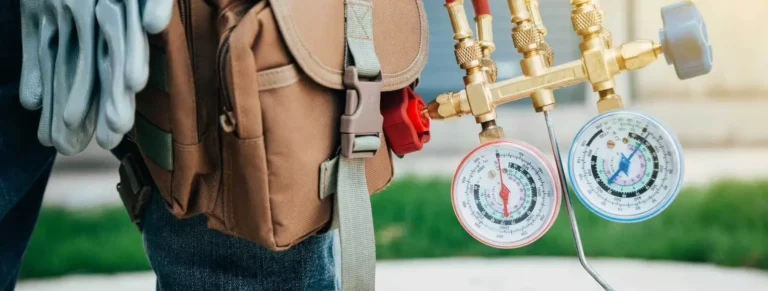
The nights turn cold in Amanda, and your furnace kicks on later than it did last October. The rooms take longer to warm, or you hear a new whistle from the ducts. These changes mean the burners, blower, or controls need attention. A furnace tune-up now stops small issues from becoming a complete shutdown when the temperature hits zero.
You do not wait for a breakdown to call for furnace maintenance. Systems that ran all last winter without service now show reduced airflow, uneven flames, or higher gas use. Our work focuses on the parts that wear first so your heat stays reliable through January and February.
Starting the Heating Season With a Clean and Adjusted Furnace
Amanda winters last a long time. Heating systems run for months without a break. Dust from summer, insect nests in the flue, and loose electrical connections all collect while the unit sits idle. A furnace tune-up removes that buildup and resets every control to the factory range. We start by turning the power and gas off so we can work safely. Then we pull the access panels and look at the heat exchanger first. Cracks or heavy rust in that chamber let combustion gases mix with the air you breathe. We shine a strong light across every surface and use a mirror or camera on tight spots. If the exchanger is sound, we move to the burners.
Burners must light evenly and stay blue. Yellow tips or delayed ignition waste gas and can crack the exchanger later. We brush the ports, check the ignition electrode gap, and measure the gas pressure at the valve. The reading must match the rating plate on the furnace. After the flame looks correct we test the limit switches and rollout sensors. These safety parts shut the gas off if the heat rises too high or if flame leaves the burner box. A switch that sticks or a sensor that is out of calibration will short-cycle the unit or leave you without heat. We replace any part that fails the test before we put the covers back on.
The blower motor and wheel come next. A dirty wheel throws the balance off and the motor draws extra amps. We vacuum the wheel, check the capacitor, and measure the current draw against the motor nameplate. If the motor is oil-type we add the right lubricant. Then we replace or clean the filter and confirm the return air path is open. Restricted airflow is the most common reason a furnace overheats and shuts down. We finish this stage by running the system and recording the temperature rise across the heat exchanger. The rise must stay inside the range printed on the data plate, usually between 40 and 70 degrees. A number outside that range tells us the blower speed or the gas input still needs adjustment.
The Inspection and Adjustment Sequence We Follow
Every furnace tune-up follows the same order so nothing is missed. We treat gas furnaces, high-efficiency condensing units, and older mid-efficiency models with the same care. The sequence protects both the equipment and the people inside the house. After the mechanical checks we test the venting. A blocked flue or a cracked inducer housing can push carbon monoxide back into the living space. We inspect the entire vent run, measure draft, and confirm the inducer motor starts and stops at the right times. On condensing furnaces we also flush the condensate trap and check the drain line for algae or scale. A clogged drain will shut the unit down on a safety switch.
Electrical connections loosen from heat cycles. We tighten every terminal, look for discoloration, and replace any wire that shows cracked insulation. The thermostat gets a calibration check so the temperature you set is the temperature you get. We also verify that the anticipator or the cycle rate is correct for the furnace size. Wrong settings cause the unit to run too long or too short and waste fuel. Once the system is back together we start it from a cold condition and watch a full heating cycle. We listen for unusual vibration, confirm the flame stays stable, and measure carbon monoxide at the flue and in the living space. Only when every reading is inside the safe range do we consider the furnace service complete.
- Heat exchanger and burners – We inspect for cracks, rust, and proper flame pattern then adjust gas pressure to the rating plate.
- Blower assembly and filter – We clean the wheel, check motor amps, lubricate bearings if needed, and restore full airflow.
- Safety controls and venting – We test limit switches, rollout sensors, draft, and carbon monoxide levels before we leave.
We keep a written record of every measurement. You receive a copy so you know exactly what was found and what was corrected. If a part is near the end of its life we tell you before it fails. That conversation happens on the same visit. Our expert technicians are available 24/7 to deliver fast, reliable service, including same-day responses. As a hometown company that is family-owned and women-owned we treat every house in Amanda the way we treat our own.
Protecting Efficiency and Safety Through Regular Furnace Service
A furnace that has not had maintenance uses more gas to produce the same heat. Dirt on the heat exchanger acts like insulation and forces the burners to run longer. A dirty blower wheel moves less air so the house never reaches the set point and the thermostat keeps calling. Over a full Ohio heating season those extra minutes add up on the utility bill. Regular furnace maintenance restores the original efficiency and keeps the unit inside its design limits. The same visit also finds the small problems that become expensive repairs. A cracked igniter, a weak capacitor, or a sticking gas valve can be replaced during the tune-up instead of at 2 a.m. in January.
Safety is the other half of the job. Carbon monoxide has no smell and no color. A cracked heat exchanger or a blocked flue can fill a house before anyone notices. We test for it on every call. We also confirm that the furnace cabinet is sealed, that the combustion air openings are clear, and that the vent termination outside is free of nests or ice. These checks take only a few extra minutes and they protect everyone who lives or works in the building. We provide comprehensive HVAC solutions, from installation and repair to maintenance and energy-efficient upgrades, ensuring your comfort and peace of mind. Whether it is heating, cooling, or ventilation, we guarantee quality workmanship and customer satisfaction.
Homes in Amanda range from older farmhouses with original ductwork to newer construction with tight envelopes. Each building presents a different load and a different set of possible problems. We adjust blower speed and gas input to match the actual house, not just the furnace nameplate. That extra step keeps the system from short-cycling in a tight house or from struggling to heat a leaky older one. Businesses get the same attention. A shop or office that loses heat on a Monday morning loses production time. We schedule commercial furnace service around your hours and we stock the common parts so most jobs finish the same day.
- Higher gas use or longer run times – Dirt and misadjusted controls force the furnace to work harder than necessary.
- Uneven rooms or weak airflow – A dirty blower or a clogged filter starves the far registers of heat.
- Strange smells or new noises – Dust burning off, loose panels, or a failing motor all announce themselves before a complete failure.
Choose us for efficient, hassle-free service that keeps your home or business running smoothly. We give free estimates so you know the scope before any work begins. After the furnace tune-up we show you the filter size, the location of the shut-off valves, and the simple steps you can take between visits. A clean filter and a clear area around the furnace cabinet go a long way toward keeping the system we just serviced in good condition. When the next cold snap arrives your heat will start on the first call and stay even all night. That is the result of a proper furnace tune-up done at the right time by people who live and work in the same community.